Wize University Biology Textbook > Evolution
The Modern Synthesis
Popular Courses
AP Biology Exam Prep Course
AP Exam Prep
Biology
General Course
General Biology
University Study Guides
Grade 12 Biology
Canada High School
DAT
General Course
High School Biology
US High School
BIOL 103
Queen's University
BIO 1131
University of Ottawa
BIOL 121
University of British Columbia
BIOLOGY 1M03
McMaster University
BIO120H1
University of Toronto
General Biology
University Study Guides
BIOL 108
University of Alberta
SC/BIOL 1000 3.00
York University
BIOL 111
McGill University
BIOL 243
University of Calgary
BIOL*1070
University of Guelph
BIOLOGY 2581A/B
Western University
BIOL 1010
Dalhousie University
SC/BIOL 1001 3.00
York University

0:00 / 0:00
The Modern Synthesis
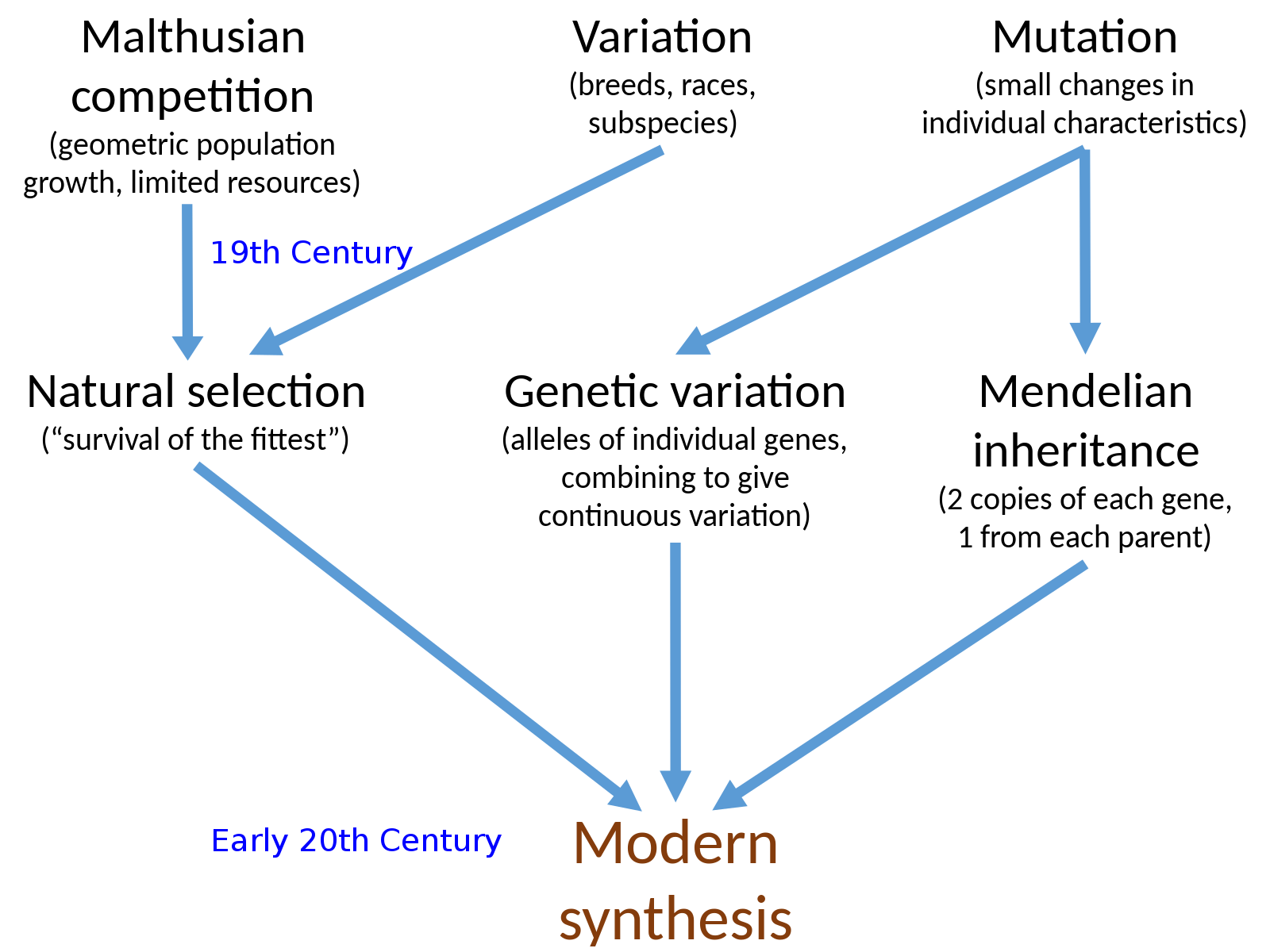
This represents an amazing step forward in biology, where fuzzy concepts like evolution, were described with mathematical precision.
- The modern synthesis combined two important theories in biology
- Darwinian evolution and natural selection
- Mendel's theory of inheritance
Fisher and Haldane (1918-1930)
- Fisher in 1918 described how variation could result from discrete genetic loci
- Haldane in 1920 provided real world examples based in math
- Occurs faster than thought Example: Pepper moths in the industrial revolution
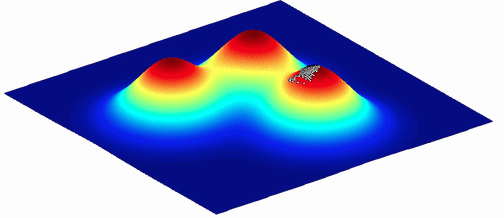
Wright (1932)
- Demonstrated how combinations of genes interacted to produce phenotypes
- Introduced adaptive fitness landscapes
- combinations of genes can produce optimum trait values
- Investigated how small populations were at risk of inbreeding depression
- Increased chance of genetic drift
Dobzhansky (1937)
- Described natural populations by new mathematics
- Was easier to understand
- Natural populations had lots of standing variation
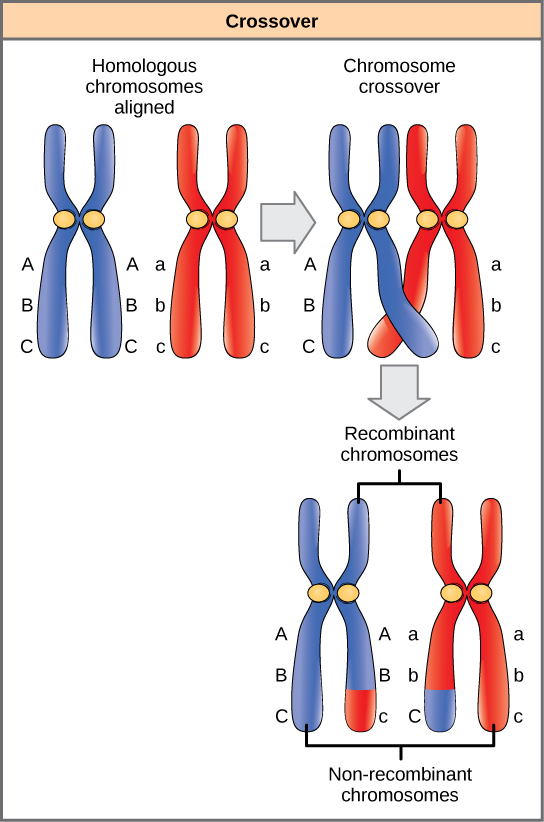
- Introduced Chromosomes
- Some regions are linked to each other
- Identified main sources of evolutionary change
- Mutations
- Chromosome rearrangement
- Multi-gene effects during development
- Polyploidy: gene duplication
Huxley (1942)
- Coined the term "Modern Synthesis"
- Helped to popularize
- Provided many examples to convince the public
Mayr (1942)
- Examined how population variation led to speciation
- Described allopatric speciation
- When two populations are divided, evolve and become separate species
- Defined the Biological Species Concept
- A group of interbreeding populations that do not breed with others
Conclusion
- Together these researchers built the fundamentals of quantitative biology. Taking disconnected parts of biology and wrapping them together using verifiable mathematics. These founding individuals brought biology into the modern age.

Mark Yourself Question
- Grab a piece of paper and try this problem yourself.
- When you're done, check the "I have answered this question" box below.
- View the solution and report whether you got it right or wrong.
Who developed the concept of adaptive fitness landscapes? What does this concept represent?
Who coined the term "Modern Synthesis"?